Higher education continues to face pressure from declining enrollment, rising operational costs, and increased competition for a shrinking pool of traditional college-bound students.
For small and mid-sized institutions, relying solely on historical recruitment models is not enough to maintain enrollment stability or long-term sustainability.
Within this environment, NAIA institutions have increasingly turned to an approach that has proven both scalable and effective: the strategic addition of emerging sports. When referring to emerging sports, these are sports that have officially become collegiate-level in the last decade. What began as an athletics initiative has evolved into a data-supported institutional strategy that directly impacts enrollment, retention, visibility, and financial stewardship.
Emerging Sports: A Proven Enrollment Lever
Emerging sports are often discussed in terms of innovation or potential opportunity, but within the NAIA, they are a measurable enrollment driver. Sports such as women’s wrestling, flag football, competitive cheer, men’s rugby, beach volleyball, and esports have expanded participation opportunities while aligning closely with institutional growth goals.
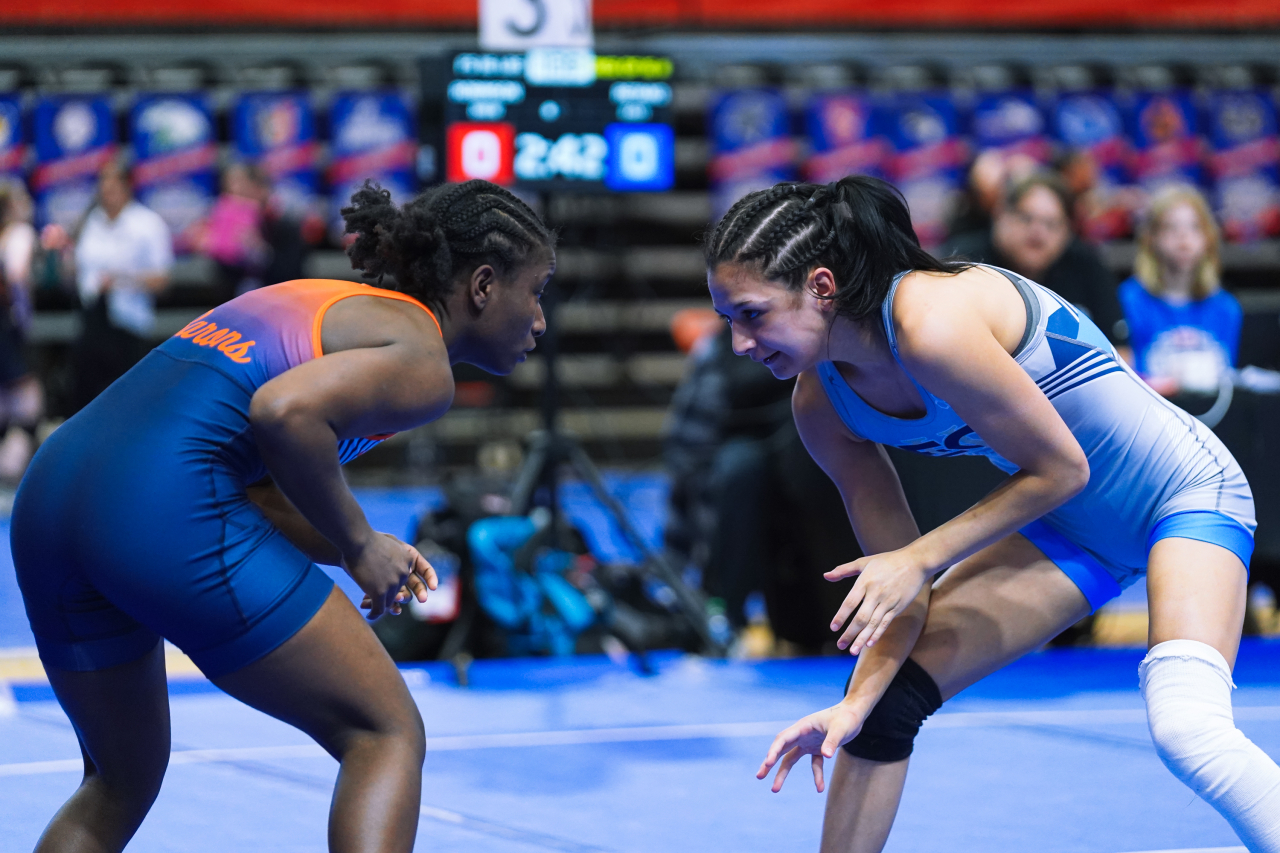
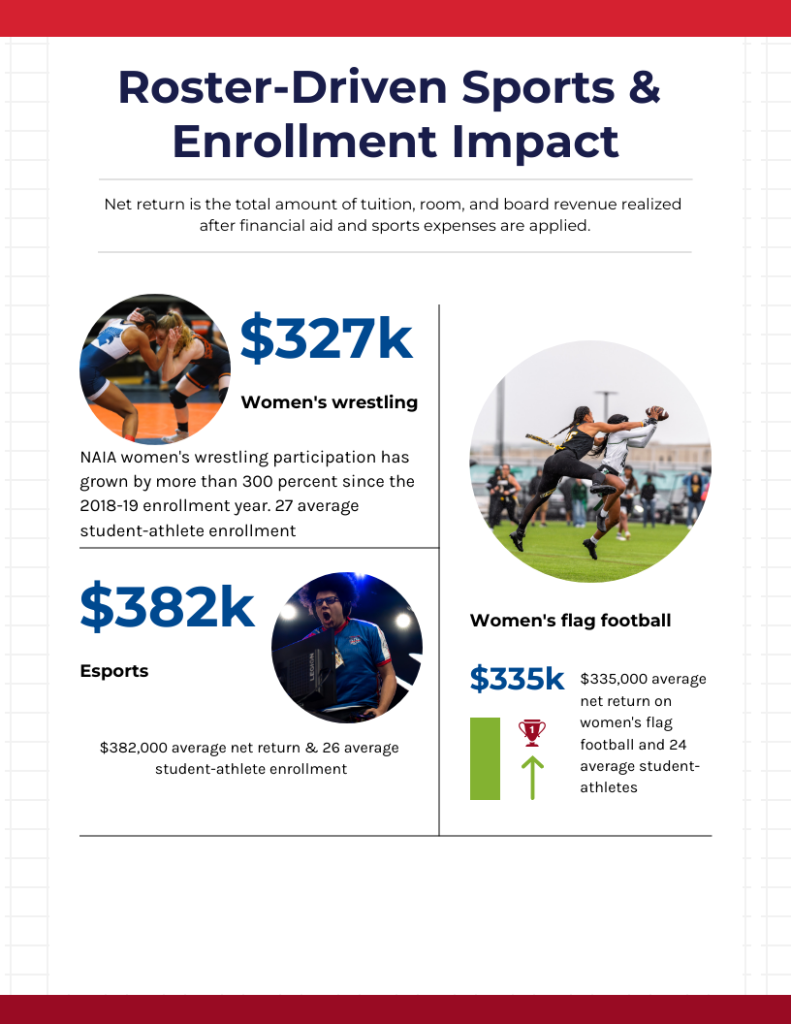
The NAIA has historically recognized opportunities for its institutions before broader collegiate adoption. Women’s wrestling, men’s volleyball, and competitive cheer became official NAIA sports years before NCAA recognition. This early adoption gave NAIA institutions an advantage, enabling them to build recruiting pipelines, achieve competitive success, and establish program credibility long before other divisions. Since the 2018–19 academic year, NAIA women’s wrestling participation has grown by more than 300 percent, making it one of the fastest-growing and most financially sustainable sports in the association. For many institutions, roster-driven sports like these have produced immediate enrollment impact, often generating positive net tuition revenue within a short timeframe.
Cost-Effective Growth in a Struggling Environment
The appeal of emerging sports lies not only in enrollment potential but in cost control and resource efficiency.
There are unique benefits that other programs don’t have:
- Smaller rosters relative to large-scale sports
- Fewer full scholarships
- Less travel due to regional competition structures
- Minimal or shared facility requirements
From an institutional point of view, the return on investment is obvious: emerging sports generate value primarily through enrollment, retention, and engagement, rather than reliance on ticket sales or media revenue. This aligns athletics spending directly with institutional sustainability goals.
Why NAIA Continues to Lead in Emerging Sports
The NAIA’s governance structure and institutional profile have consistently enabled early adoption and sustainable growth. Smaller institutions are often more agile, enrollment-focused, and regionally connected than their larger counterparts, creating an environment where emerging sports can thrive.
The success of including emerging sports in college programs can quickly turn into opportunities for smaller institutions. Take flag football, for example. It began as an NAIA emerging sport in 2021, only to become an invitational sport by the 2025-2026 season. Getting invitational status is a major step in solidifying the sport on college campuses across the country.
“Football is for everyone,” NFL Executive Vice President of Football Operations Troy Vincentsaid in the NFL’s release. “This groundbreaking and historic joint venture provides an opportunity for the values, fun, and competitive environment of football to be enjoyed as a varsity sport by female student-athletes attending NAIA institutions across America.”
For NAIA member schools, this isn’t a dream for the future. but a present-day advantage. Institutions that continue to leverage emerging sports strategically will be well-positioned to navigate the next decade of higher education with resilience, relevance, and sustainable growth.
See Related: What’s Driving the Rise in Net Return from College Athletics?