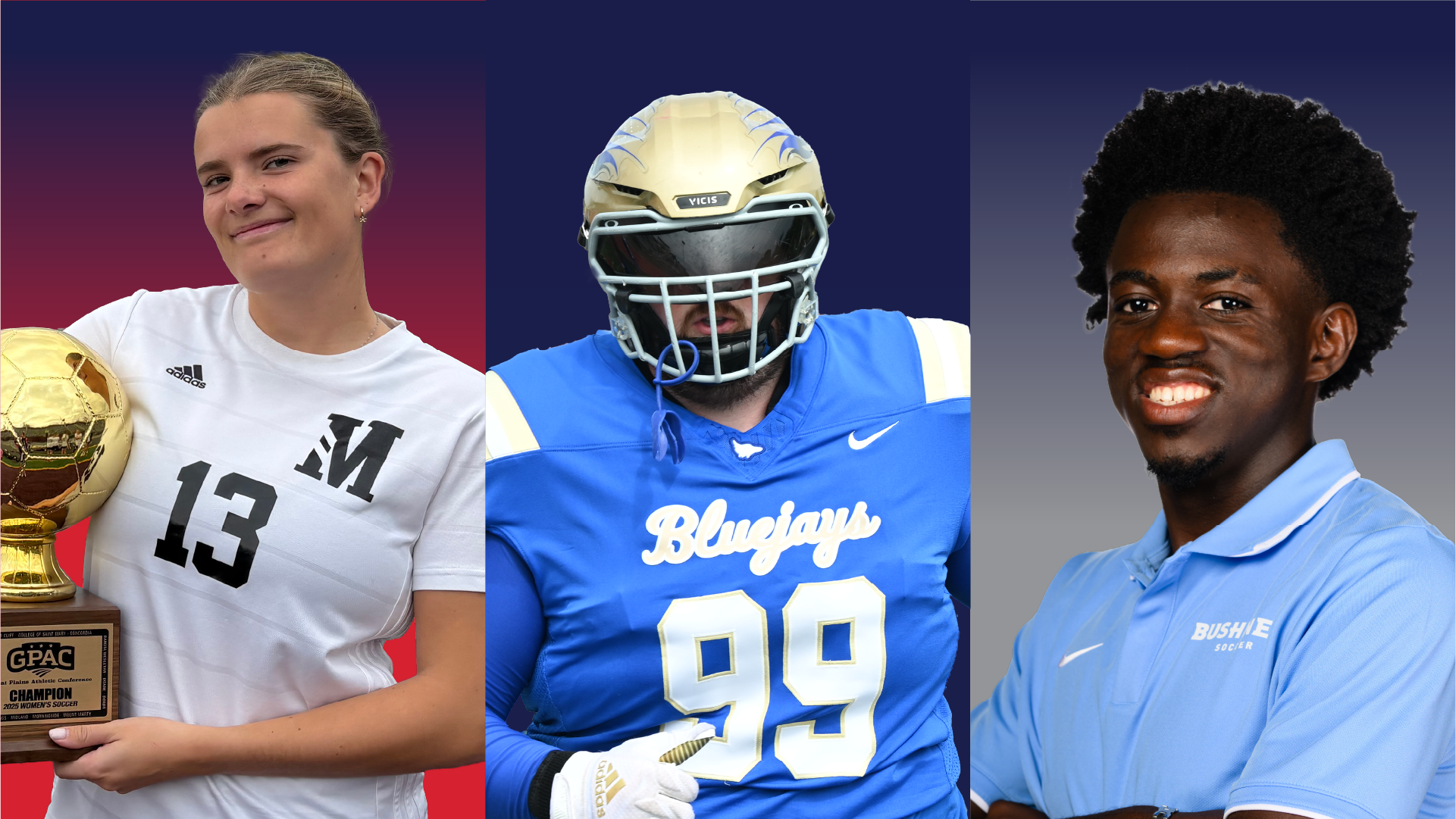
As pressure, expectations, and external stressors continue to build for student-athletes, the question is no longer if a program will face a mental health challenge, but when, and how prepared it will be to respond.
Institutions that build a proactive foundation of awareness, training, and support are not only better equipped to safeguard their students and staff but also better positioned to lead.
In today’s environment, mental health support goes well beyond care. It is about having a plan in place to identify and intervene before a crisis escalates.
A Hidden Competitive Advantage
For small colleges in particular, mental health support is more than a wellness initiative; it’s one of the most practical and attainable competitive advantages they have.
Institutions that prioritize mental health:
- Create safer environments
- Retain more students
- Build stronger team cultures
- Earn trust from recruits and families
As students become more transparent about their needs, how a college supports mental health can increasingly become the deciding factor between enrollment and attrition.
For small colleges, it’s a missed competitive opportunity.
The Reality Facing Today’s Student-Athletes
In the push to hit enrollment targets, win championships, and balance budgets, mental health training is still often treated as optional. Many student-athletes arrive on campus having never received mental health support. They may not know how or when to ask for help.
Coaches and staff often lack formal training to recognize warning signs or guide athletes toward the right resources. That gap increases the likelihood that concerns go unnoticed until they escalate into a crisis.
Recent student-athlete survey data shows that 1 in 4 athletes reported experiencing suicidal ideation within the past 30 days, underscoring the urgency for proactive support.”
Why Small Colleges Are Built for This Moment
Small colleges have something larger institutions often struggle to replicate: proximity and connection.
Coaches and staff typically spend more time with student-athletes and are more likely to notice subtle changes in behavior, mood, or performance. That closeness carries responsibility, but it also creates a powerful opportunity to intervene early.
Coaches are not counselors and shouldn’t be expected to function as such.
The goal of effective mental health training is to help coaches and staff:
- Recognize when something is wrong
- Respond appropriately in the moment
- Connect student-athletes to the right resources
How Mental Health Support Drives Real Outcomes
Mental health support improves well-being by directly impacting the metrics that matter most: recruitment, retention, and performance.
Recruitment
Today’s prospective student-athletes and their families are asking more direct questions about safety, support systems, and mental health resources.
Schools that can clearly explain how they prepare coaches, support athletes, and respond to mental health concerns gain a measurable edge over competitors who cannot.
Retention
Mental health challenges are a major contributor to burnout, transfers, and eligibility loss.
When student-athletes feel supported and know where to turn before reaching a crisis point, they are more likely to stay enrolled, remain eligible, and succeed. That stability creates a sustained advantage over time.
Performance and Culture
Student-athletes who feel safe asking for help are more engaged, resilient, and consistent.
Coaches benefit from clear escalation pathways that reduce uncertainty and emotional strain, allowing them to focus on coaching instead of crisis management.
The result is a healthier, more stable, and more competitive program culture.
Staff Retention and Stability
While mental health support benefits athletes, it also supports coaches and staff as well.
Providing resources for those navigating the pressure of building winning teams reduces burnout, improves decision-making, and increases staff retention.
Training That Fits the NAIA Reality
Mental health training isn’t one-size-fits-all.
Campus size, roster demands, and available resources vary widely. What works for a large Division I program may not be realistic or effective for an NAIA school.
The most effective training is:
- Accessible
- Relevant to the student-athlete experience
- Grounded in real, everyday scenarios
When training aligns with institutional reality, it’s far more likely to be used, reinforced, and sustained.
NAIA Mental Health Training can be found in NAIA Connect.
The Bottom Line
In a landscape where many colleges offer similar athletic and academic opportunities, culture becomes the differentiator.
And culture is shaped by what institutions choose to prioritize.
When mental health support is practical, visible, and embedded into the daily experience of student-athletes and staff, it does more than improve care. It becomes a clear, sustainable competitive advantage.
For small colleges, the opportunity isn’t to do more.
It’s to lead where it matters most.
See related: Five Practical Steps to Foster a Positive Mental Health Culture on Your Team