More than a Coach: The Impact of Women Leading Women
Katie Green
|
September 25, 2026
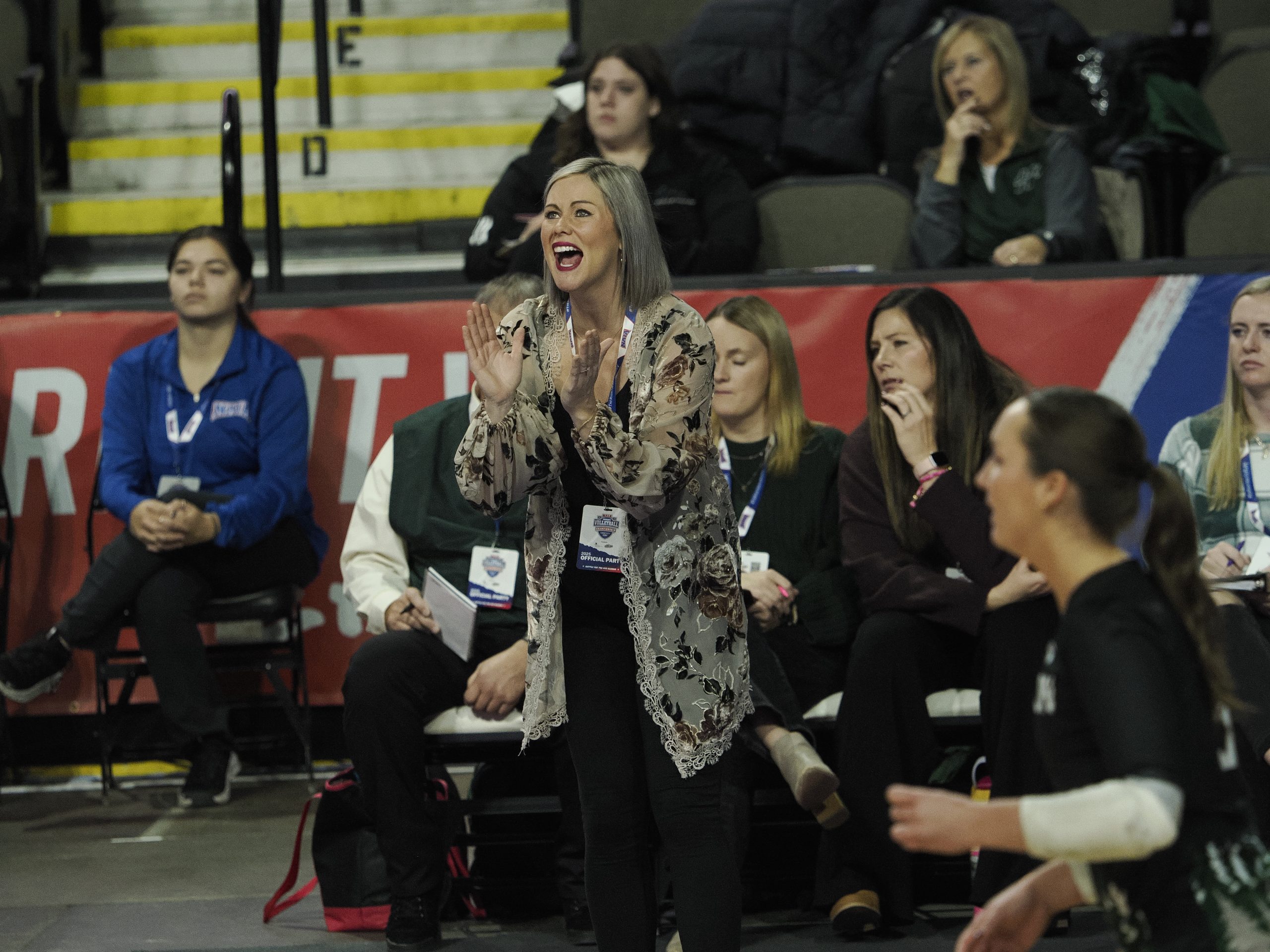
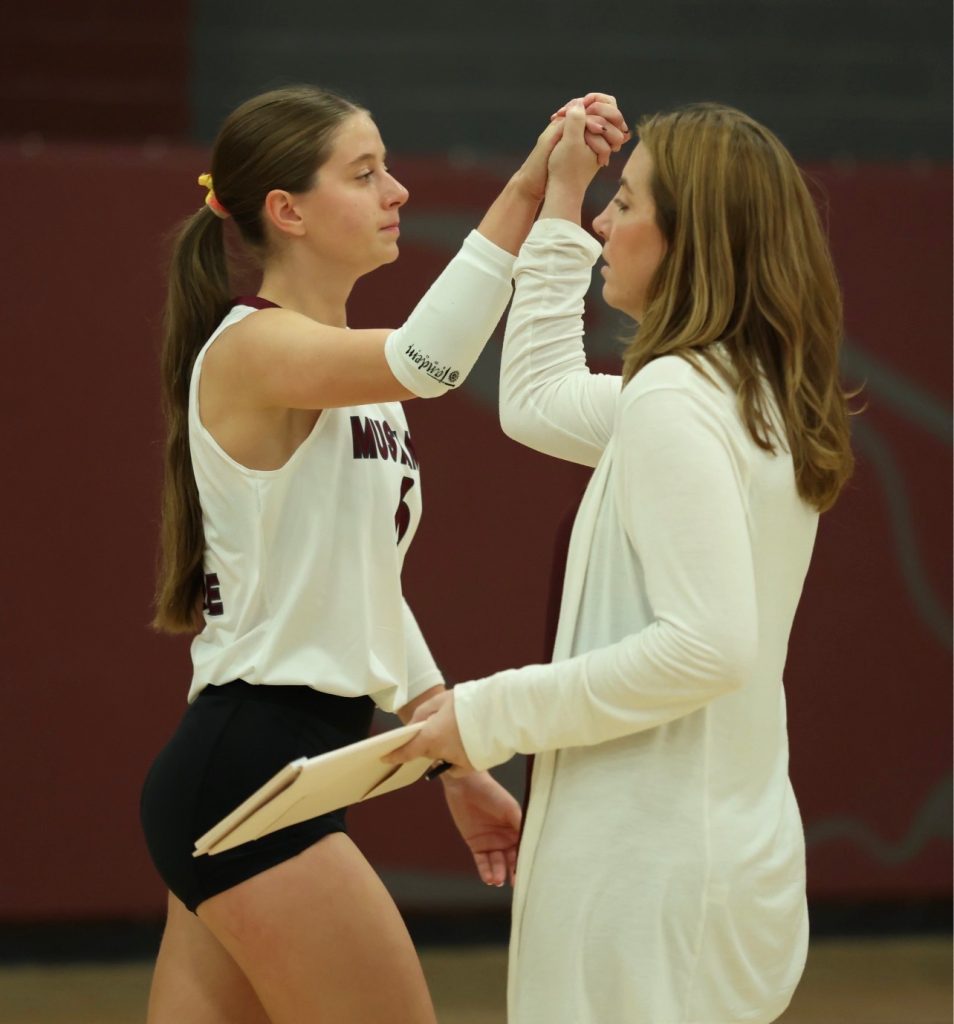
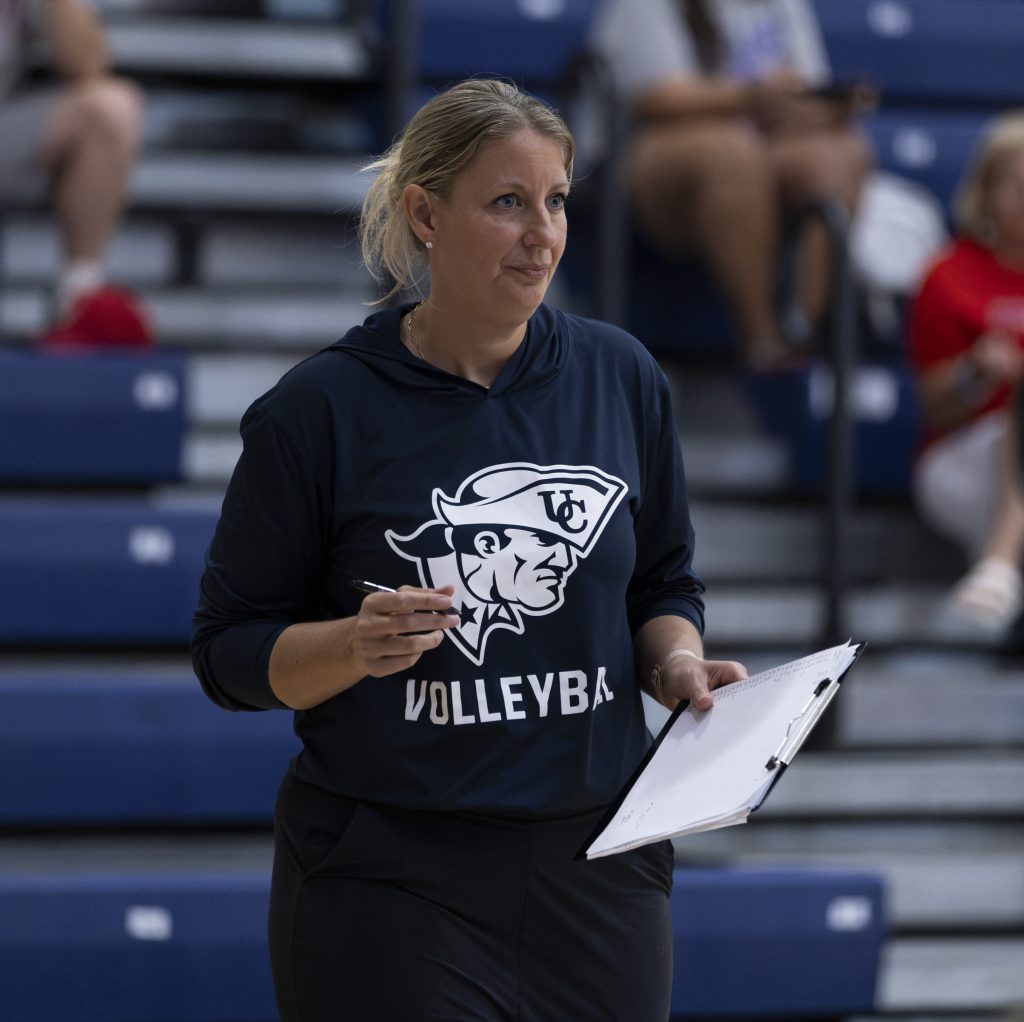
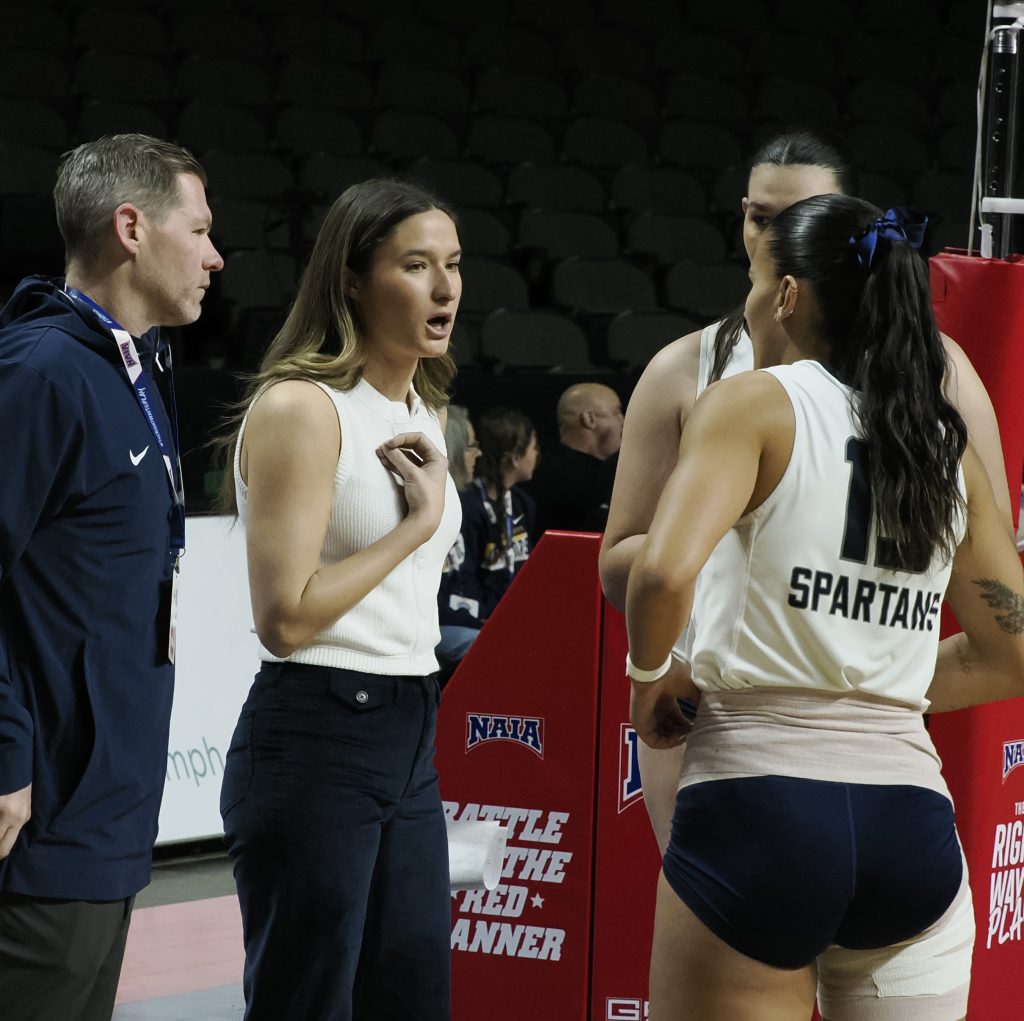
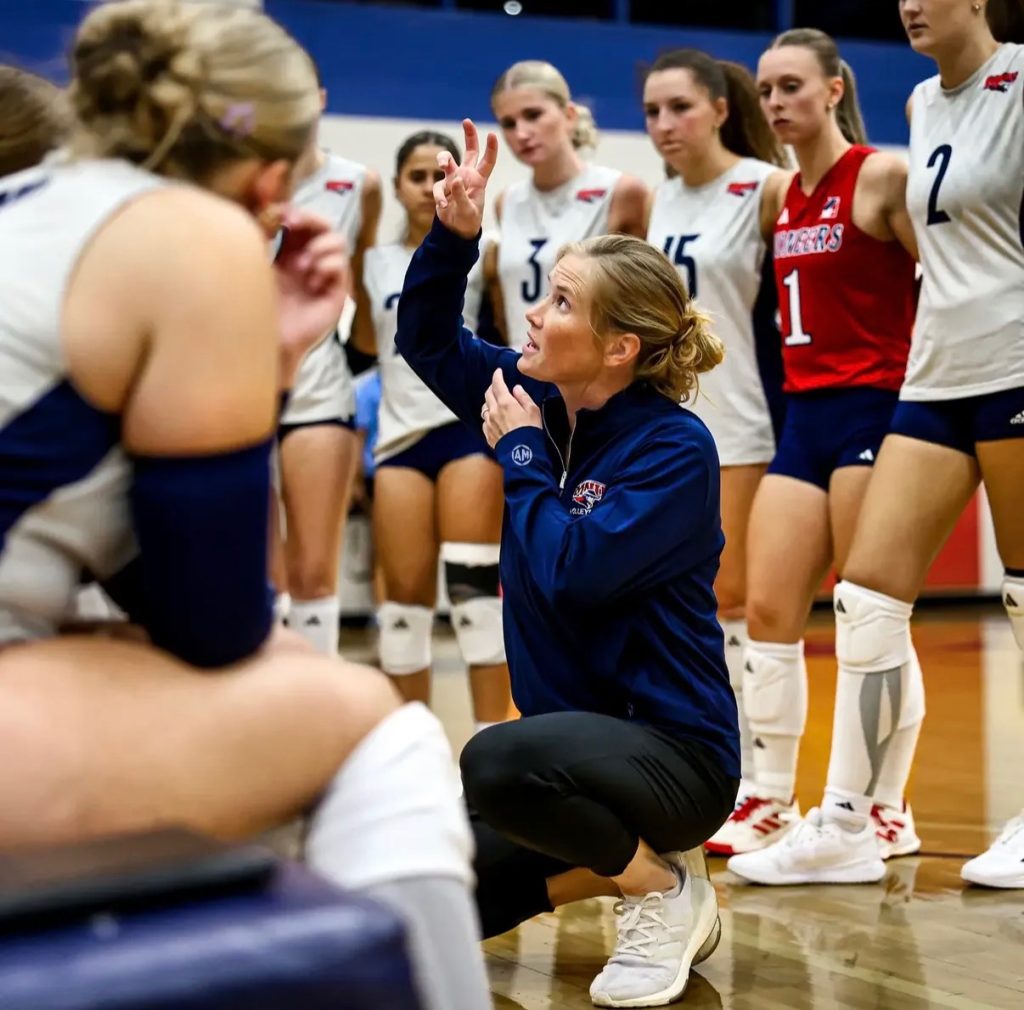
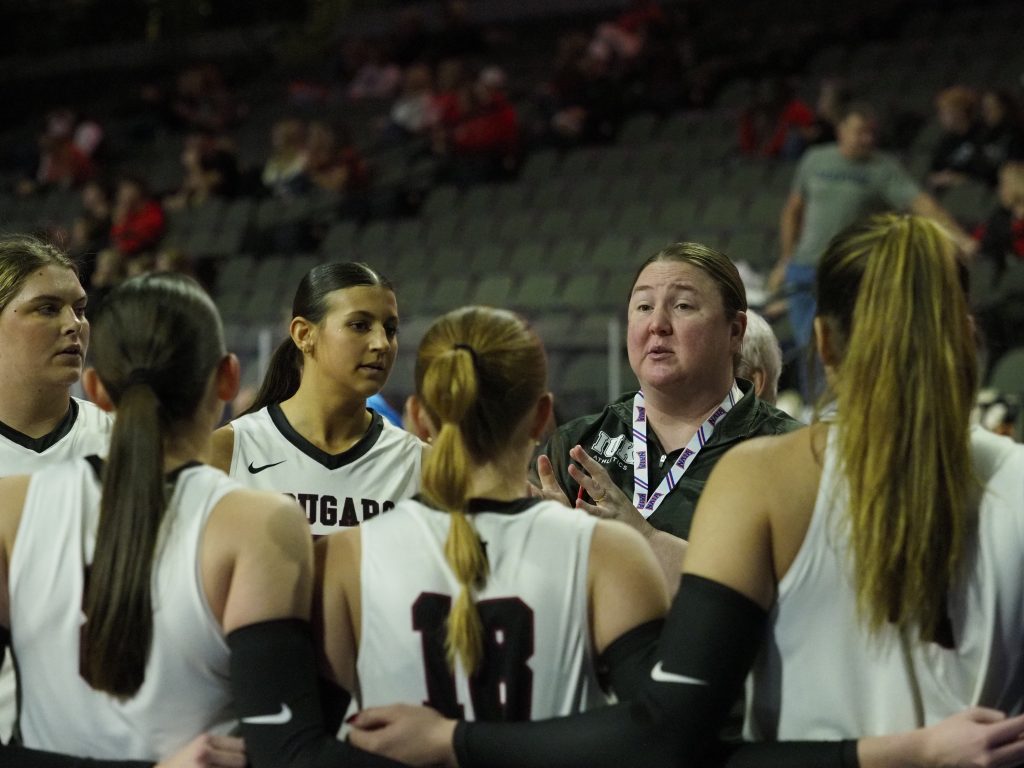
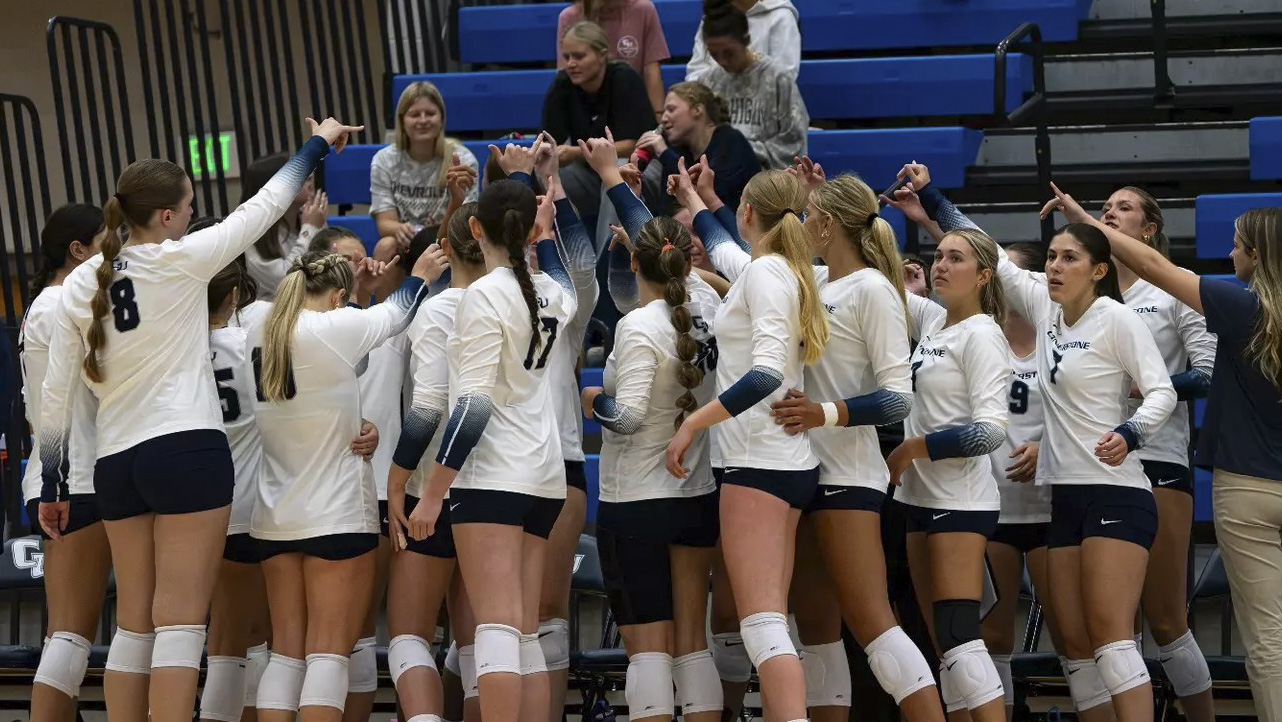
KANSAS CITY, Mo. – Then, these women’s volleyball coaches were the ones chasing titles on the court; today, they’re leading the next generation of women from the sidelines and showing them what it looks like to lead.
The NAIA has led the way in many facets over the years of its existence, including becoming the first collegiate association to invite HBCU institutions into its membership in 1957, the first to sponsor both men’s and women’s sports, adding nine women’s championships in 1980, just one year before a female head coach won an NAIA National Title for the first time.
In 1981, Sharon Peterson of former NAIA member Hawaii Hilo broke the glass ceiling for women in the NAIA. NCAA DII also had a female head coach win a title the same year, while DIII accomplished this feat in 1989 and DI in 2025.
Since Peterson won her first title, seven female head coaches have won a national title 15 different times. Peterson also won four other titles in 1982, 83, 84 and 88, setting herself up as the only woman in the NAIA to win five titles.
However, coaching is about more than titles.
“As coaches, we have an opportunity to impact so much more than what happens between the lines. These athletes are watching how we communicate, how we handle adversity, how we treat people, and how we respond when things don’t go our way,” said Morningside (Iowa) Head Coach Jessica Squier. “Our athletes are making some of the biggest decisions of their lives while they’re with us. They’re figuring out who they are, what they value, what they want their future to look like, and what kind of person they want to become.”
While coaching is not limited to specific genders, it is a unique opportunity to have a female head coach, coaching young women. That opportunity can look like giving young women someone they can relate in a position of leadership.
“I really appreciate how much my coach understands me,” said Allison Boyer a current women’s volleyball player at Huntington (Ind.). “Being a female comes with a lot of different emotions and a lot of different things we go through. It is nice to have a coach who understands what that is like from a personal standpoint and also from a team standpoint.”
Many of the coaches we spoke with agreed that the opportunity for women to coach women allows them to model a different brand of leadership than what many of them grew up seeing, much like Kathryn Park of Cumberlands (Ky.).
Park did not have a strong female coaching presence as she played. It never kept her from thinking that she couldn’t be a coach, but it influenced what she thought it was supposed to look like.
“Early in my career, I tried to emulate the leadership I had seen, which was largely a male version of coaching and I thought that emotion was the enemy. Most of the coaches I had seen were men, and I believed I needed to coach the way they did to earn my players’ respect and win.”
As she began to establish herself as a coach, she found her own voice and showed her athletes the real version of herself.
Much like Kathryn, other coaches agree that they hope their athletes learn that leadership doesn’t have to look one specific way. Leadership can be both competitive, demanding, authoritative, ambitious, decisive, accountable, strong, confident and also be compassionate, relatable, grounded, caring, authentic, supportive, empathetic while advocating for those around you. Most importantly, leadership doesn’t have to look just one way.
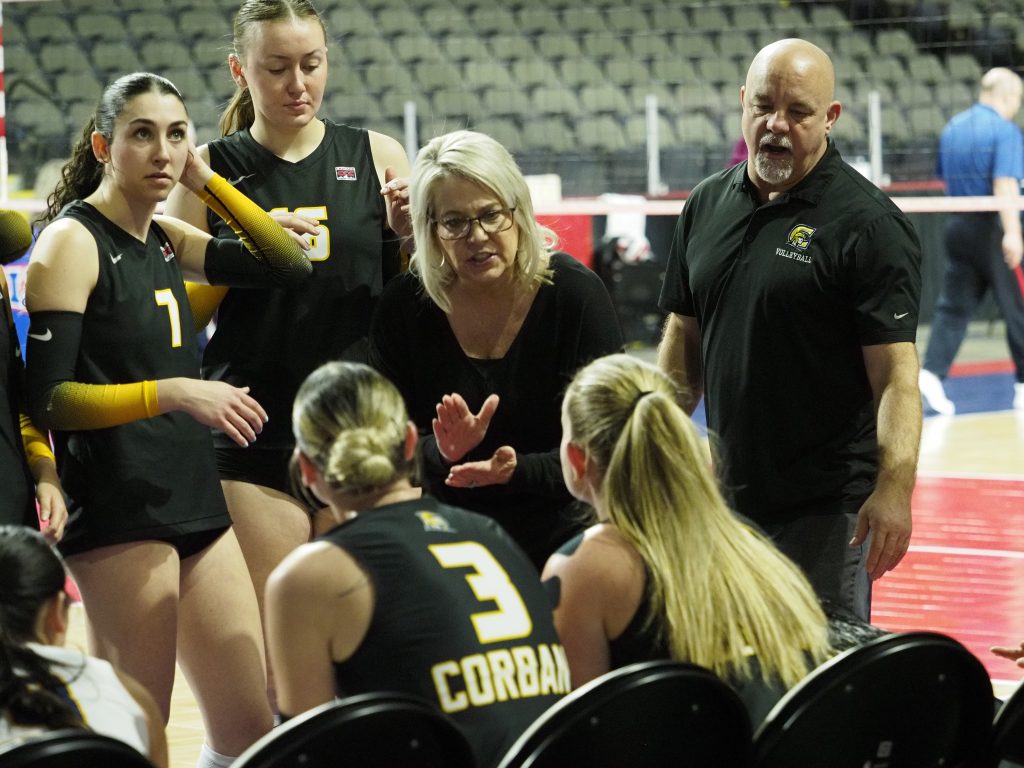
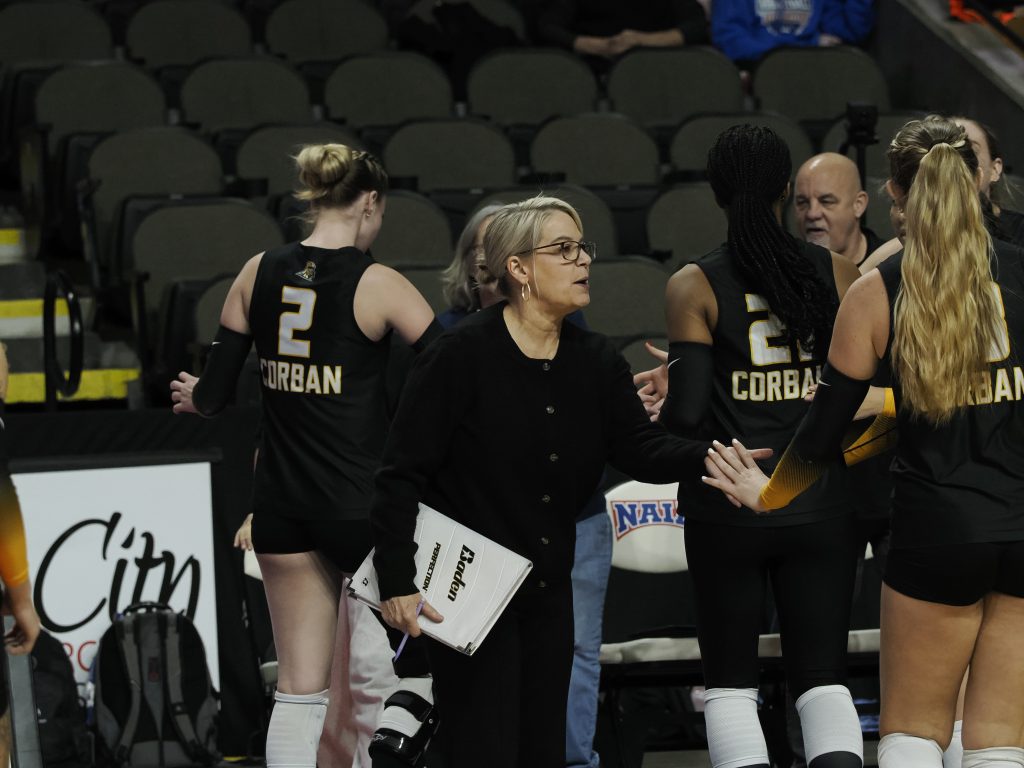
“As a guy coaching with Kim, I originally came from coaching males and then immediately learned from the beginning, when I started coaching young women, that it’s about your body language, the words you choose, the tone of your voice, the look on your face, all of that matters,” said Corban (Ore.) Assistant Coach Dick McLain. “Coaching men was a lot different because you could yell and scream in their face and they would respond to that kind of reaction. But with young women, you can’t do that; there’s so much more you have to consider, and I’m extremely grateful to be able to coach these young ladies alongside my wife.”
Just like every person is unique, leadership styles can also differ. Learning how to create your own leadership style can come from various people around you to help you develop a voice that is authentically your own.
“I played under a lot of men in the club volleyball world in St. Louis, so playing for a woman changed my perspective,” said Missouri Baptist Head Coach Claire Ochs. “She really exemplified what it meant to be a strong woman and a strong leader within the program. She was someone we could go to and talk to about a lot of different things that maybe you would not feel comfortable going to a male coach for.”
The pressure to lead in a certain way can feel defeating if you don’t fit into the mold. Breaking the mold, along with expectations of others, can be a barrier to stepping into or maintaining leadership roles.
“I believe we have too many women in positions of leadership who simply act like men,” said MidAmerica Nazarene (Kan.) Head Coach Molly Karagyaurov. “Women bring something different to the table. We should embrace that and model it for the women who come behind us.”
Across the NAIA, women hold 65% of head coaching positions at the association’s 207 sponsoring institutions in 2026.
“The female brain is so much different than a man’s, and I think it’s an honor to coach other women because I am able to see it from my perspective. Not that men cannot, but I get where my athletes can be really hard on themselves and they aren’t able to let it go,” said Corban (Ore.) Head Coach Kim McLain. “For me as a coach, I’ve learned that letting those things go and focusing on who they are as a person so they feel like they can conquer the world and feel like a million bucks helps them go out there and play and be supported knowing that their worth is so much greater than volleyball.”
Along with the pressure to be a great leader, it can be hard to determine what the right balance between running a great program and supporting your life outside the program looks like.
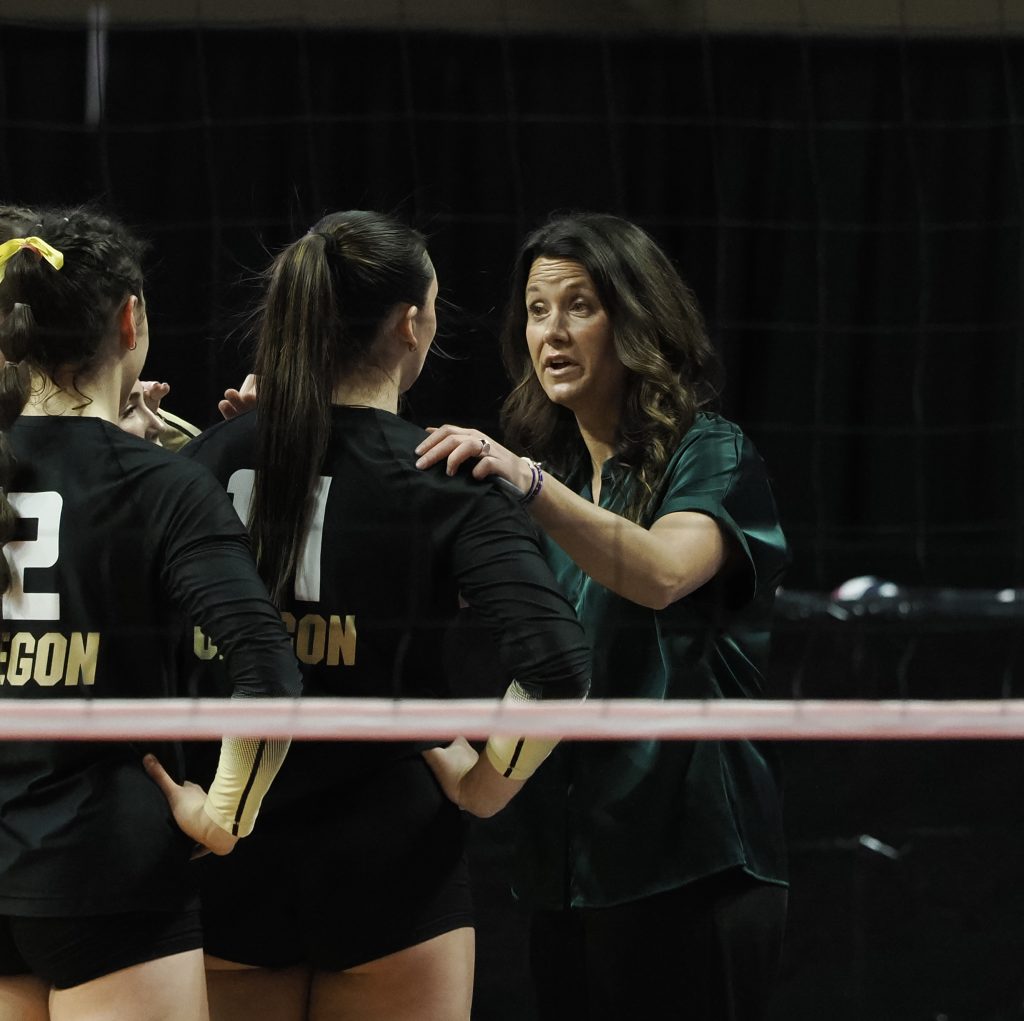
“I’ve learned that balance doesn’t always mean everything gets equal attention all the time,” said Eastern Oregon Head Coach Kaki McClean Morehead. “It’s taught me to be present where I am, give myself some grace, and recognize that I can be committed to my family and passionate about my career. I also think that experience helps me model for our athletes that you can pursue the things you love while still making the people you love a priority.”
In our interviews, the coaches expressed that they are able to emulate this level of authentic leadership and balance because of the support that they have received from their institutions.
“I see it as progress that NAIA women’s volleyball has a large number of women as head coaches, but not for the reason one might think,” said Karaguorav. “It is clear, NAIA institutions are fostering an environment where women feel like they can coach and still have a successful marriage, healthy children, and balance of life. My athletes see me be a wife and a mother. They feel the balance I model in my own life and ask them to do the same.”
While every coach needs support to succeed, regardless of gender, it’s equal access to the relationships, resources and institutional support that is most sought after to make a long career possible.
“I hope we soon reach a point when a woman succeeding in sports is no longer treated as unusual or groundbreaking,” says Park. “I hope it is simply part of the world the next generation has always known. To see how much has changed during my lifetime, and to know that the momentum is still growing, is something I do not take for granted.
So what does the future hold? As women’s sports become more prominent on TV, streaming platforms and social media, there are more opportunities for young girls to grow up with examples of women they can look up to and change what they believe is possible for themselves.
“When you do get the opportunity to lead,” said IU Kokomo (Ind.) Athletics Director of Head Coach Heather Hayes, “remember that someone behind you is watching. Sometimes simply seeing you in that role helps another young woman believe she can get there too.”
Being a leader is more than wins and losses or being in charge…
“My coach showed me that leadership isn’t just about wins or accomplishments. It’s about the people you influence along the way,” said Eastern Oregon Women’s Volleyball Alum Bobbi Sumpter. “To me, ‘women leading women’ means creating a path for others while you’re walking your own. It’s having women who are willing to share their experiences, open doors, encourage you when things get difficult, and remind you that you belong in the room.”
RELATED NEWS
Women Coaching Women – NAIA Women’s Volleyball Notebook #6
In the next three weeks, just under 450 NAIA Women’s Volleyball matches will take place. Only 24 of those matches are Top 25 vs Top 25. Teams continue their pursuit of an automatic bid with about a month till conference tournaments start taking shape. See you on the court! *Click the grey bars below to […]
Milligan (Tenn.) Overtakes the Lead While Only Three Teams Remain at the Same Rank
KANSAS CITY, Mo. – The latest edition of the NAIA Women’s Cross Country Coaches’ Top 25 Rating featured plenty of movement near the top of the rankings, highlighted by a new No. 1 team. Milligan (Tenn.) moved up one spot from No. 2 to claim the top ranking with 545 points and 10 first-place votes. […]
Mid-America Christian’s (Okla.) Mohamed Guled Claims NAIA Men’s Cross Country Runner of the Week Honors
Kansas City, Mo. – Mohamed Guled, a junior from Mid-America Christian (Okla.), is this week’s NAIA Men’s Cross Country Runner of the Week for his efforts from September 14-20. Guled won his second individual championship of the year at the Missouri Southern Stampede by setting a new 8k course record time of 23:00.6. This beat […]
Carstens Set New Course Record for NAIA Women’s Cross Country Runner of the Week
KANSAS CITY, Mo. – Evergreen State (Wash.) senior Alauna Carstens added another impressive accomplishment to her standout cross country career, earning NAIA Women’s Cross Country Runner of the Week honors following her performance at the PLU Invitational. Carstens crossed the finish line first in the women’s 6K race with a winning time of 20:50.9, topping […]